
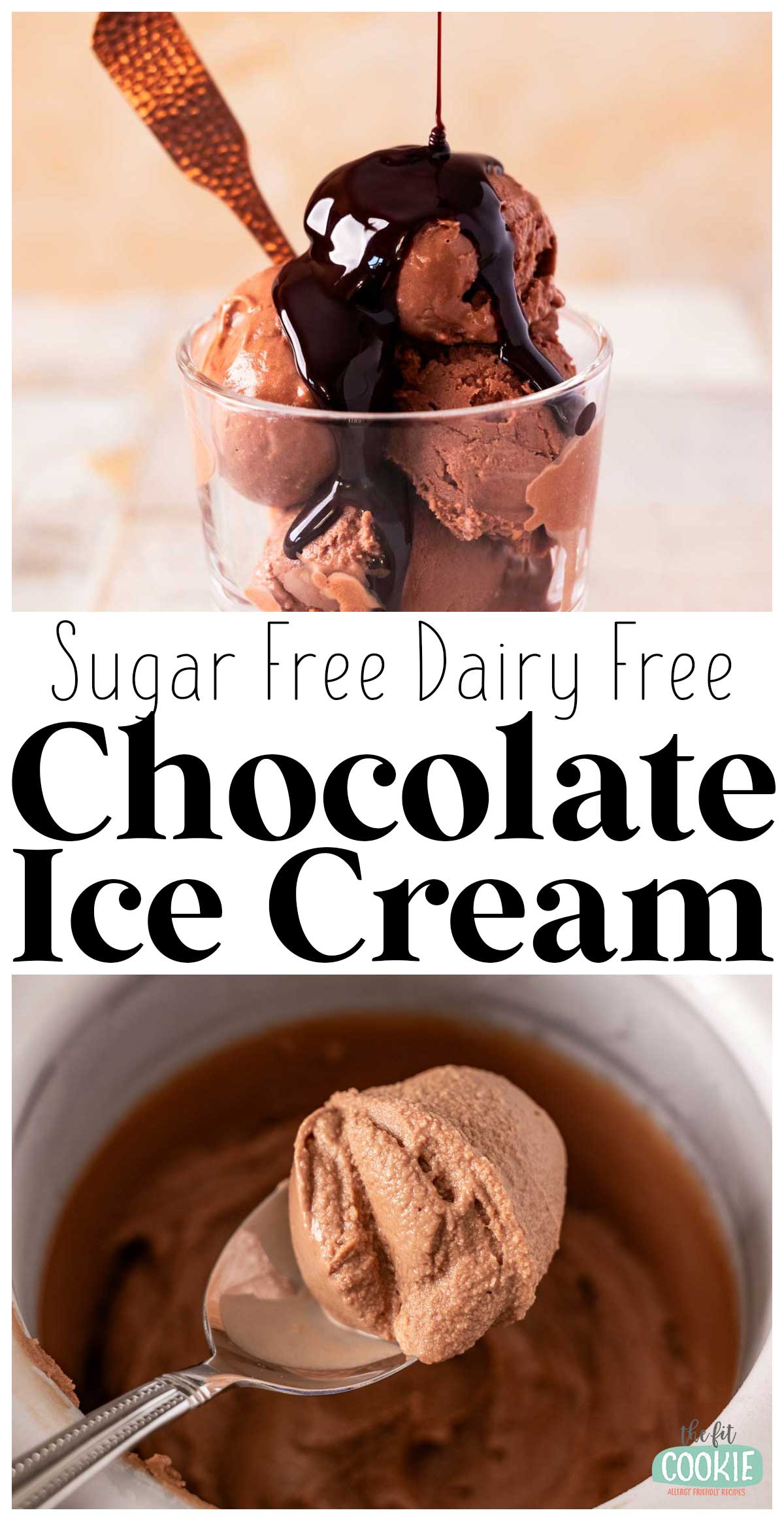
If you need to avoid sugar in your diet and have multiple food allergies, we have the treat for you! Our dairy free and sugar free chocolate ice cream is still delicious and creamy, and it’s also gluten free and egg free as well.
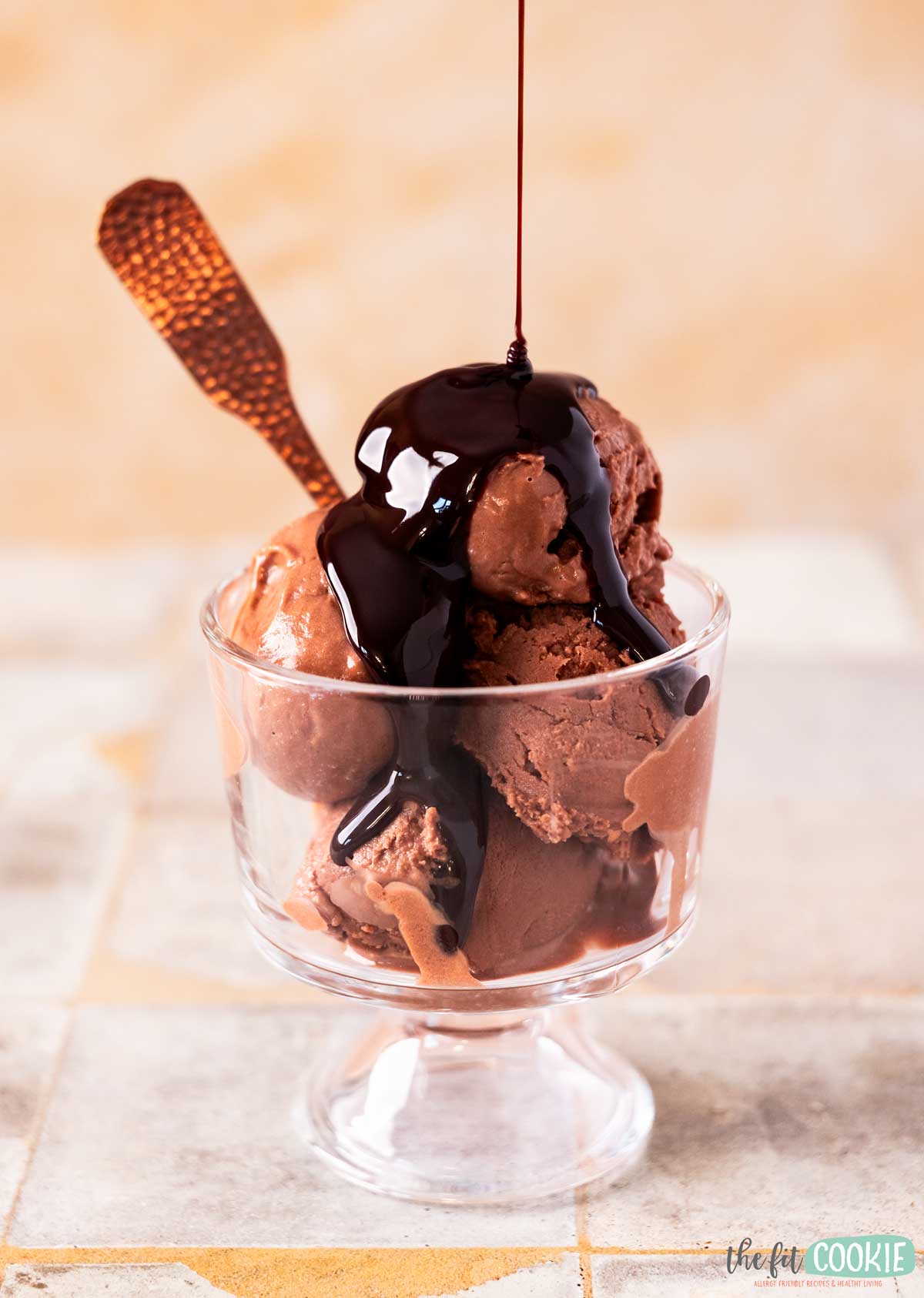
If you have multiple food allergies and want a low-sugar frozen treat, our latest recipe is for you: sugar-free and dairy-free creamy chocolate ice cream.
I originally developed this recipe for a family member who wanted a dairy-free and sugar-free treat to fit their new dietary restrictions. Since our recipe turned out great, I decided to share it here as well.
Whether you want to reduce your sugar intake to eat healthier, or you are a diabetic who needs to avoid sugar, our chocolate ice cream recipe is a great way to have an allergy-friendly frozen treat with less sugar.
If you’re craving a regular dairy free ice cream with real sugar, check out our recipe for chocolate Oreo ice cream. It’s gluten free, too!
Why we love this recipe
This recipe is easy to adapt to different dietary needs: you can swap the type of dairy free milk for different kinds, and you can adjust the sweetener type and amount to suit your preferences as well.
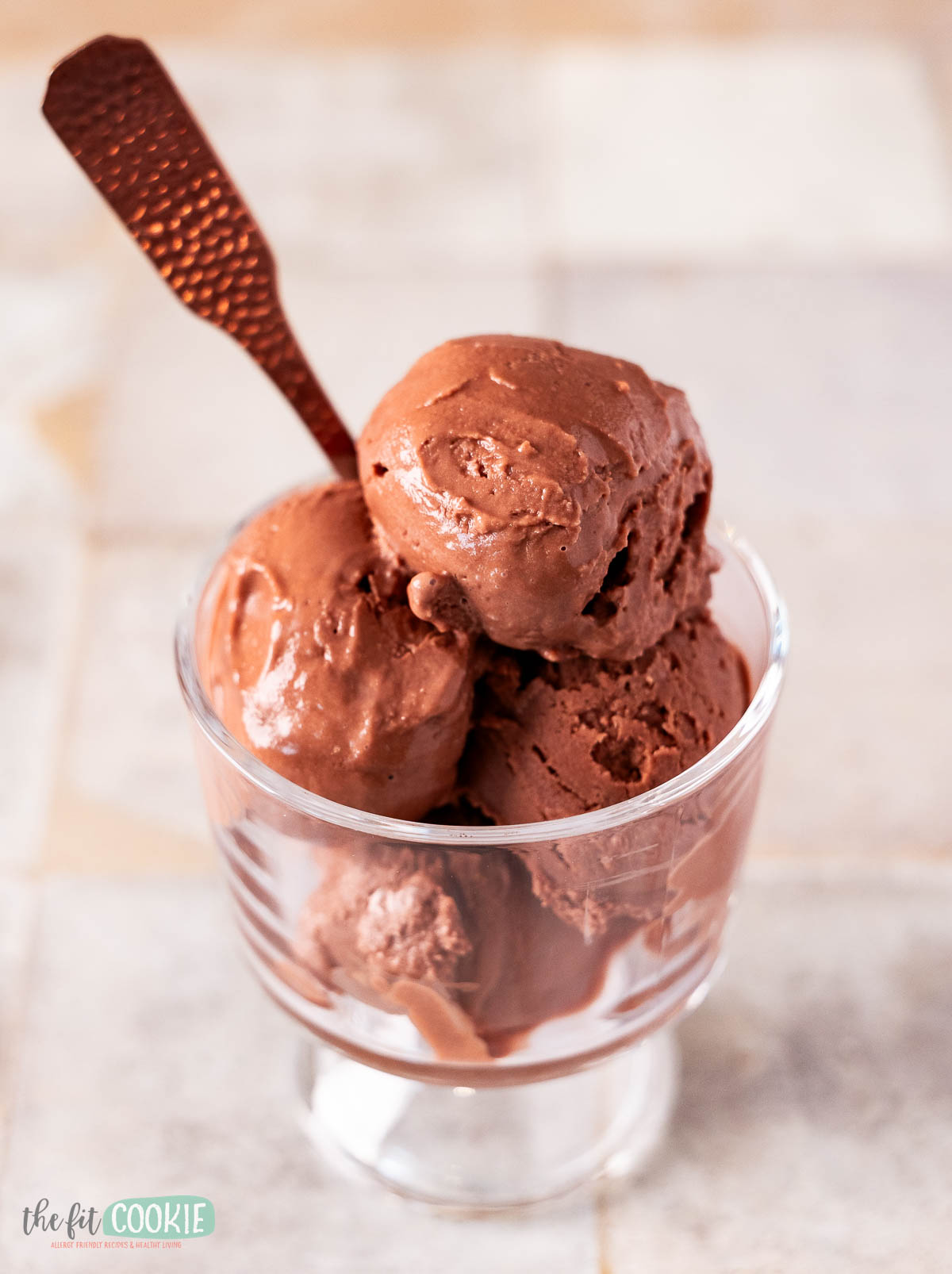
In addition to being dairy free, our ice cream recipe is also gluten-free and vegan (no eggs!) and can be made nut-free as well, so this fits many special diets and works great for people with multiple food allergies.
How to make sugar-free and dairy-free chocolate ice cream
This ice cream recipe takes a little bit longer to make than some of our other ones because it’s cooked and thickened with a bit of cornstarch to make it creamier and thicker in the absence of eggs.
- Add the canned coconut milk, unsweetened dairy free milk, sweetener, cocoa powder, vanilla, and cake batter extract (if using) to a small saucepan and whisk to combine. You can use unsweetened dairy free milk like almond milk or oat milk, or just use more coconut milk. See our note below on
- Cook over medium heat until it begins to simmer.
- Reduce the heat to medium-low and scoop out a little bit of the hot liquid into a small bowl and whisk in the cornstarch until smooth, then whisk this back into the pan.
- Cook for another couple of minutes, whisking regularly, until it begins to thicken a bit.
- Remove from the heat.
- We used an ice bath method for cooling down the chocolate mixture enough to churn it for ice cream. Take a large bowl, fill it with ice and water, then nest a smaller bowl in the middle of the ice water and add the ice cream mix into the inner bowl, making sure no ice water gets into the ice cream mixture.
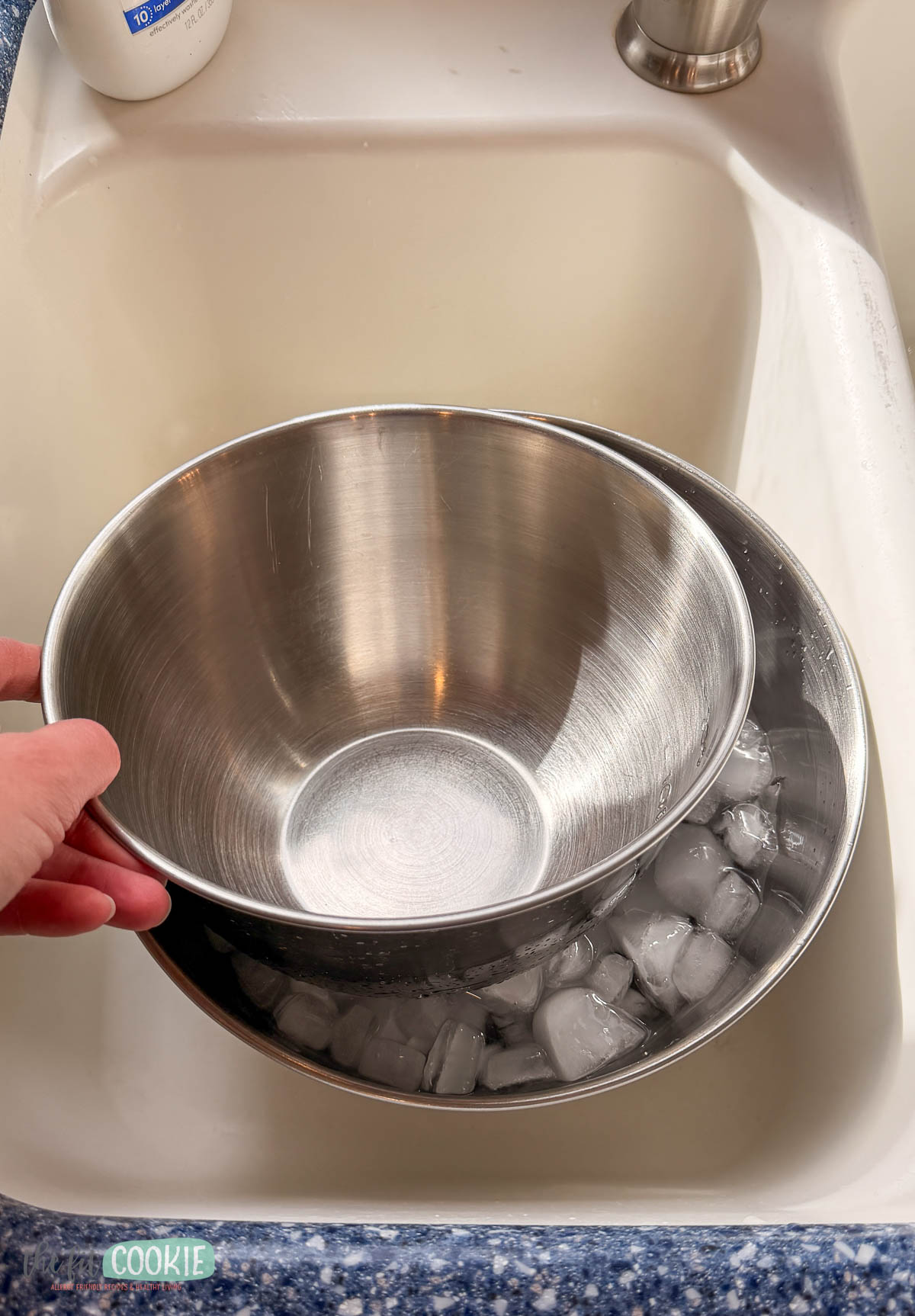
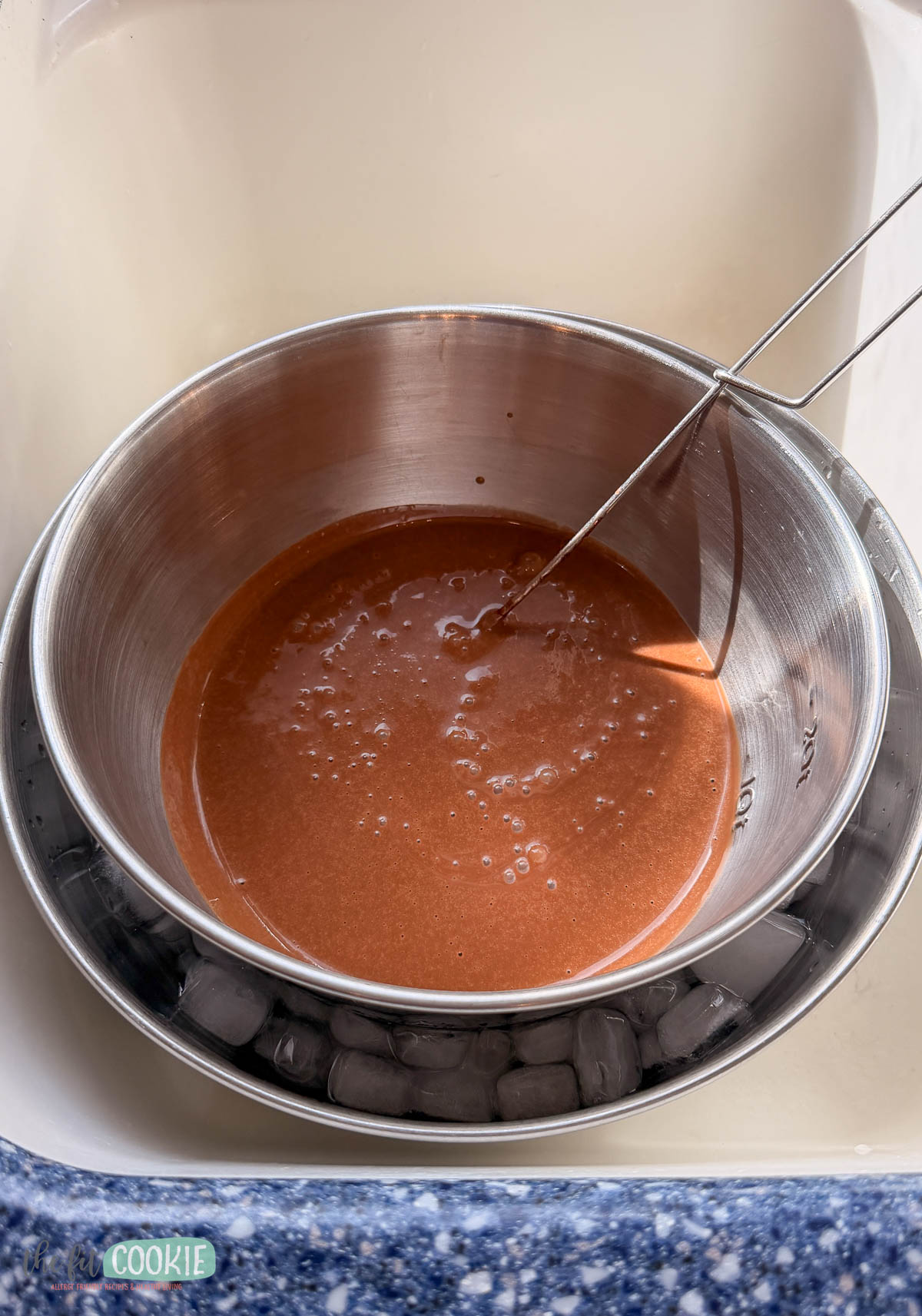
- Whisk regularly and let it sit in the bowl until it cools down to room temperature or below room temperature so you can churn it in an ice cream maker.
- Churn your ice cream following your ice cream maker’s instructions.
- Once it’s scoopable consistency (about 20-30 minutes of churning), serve it or add it to a container to chill for later.
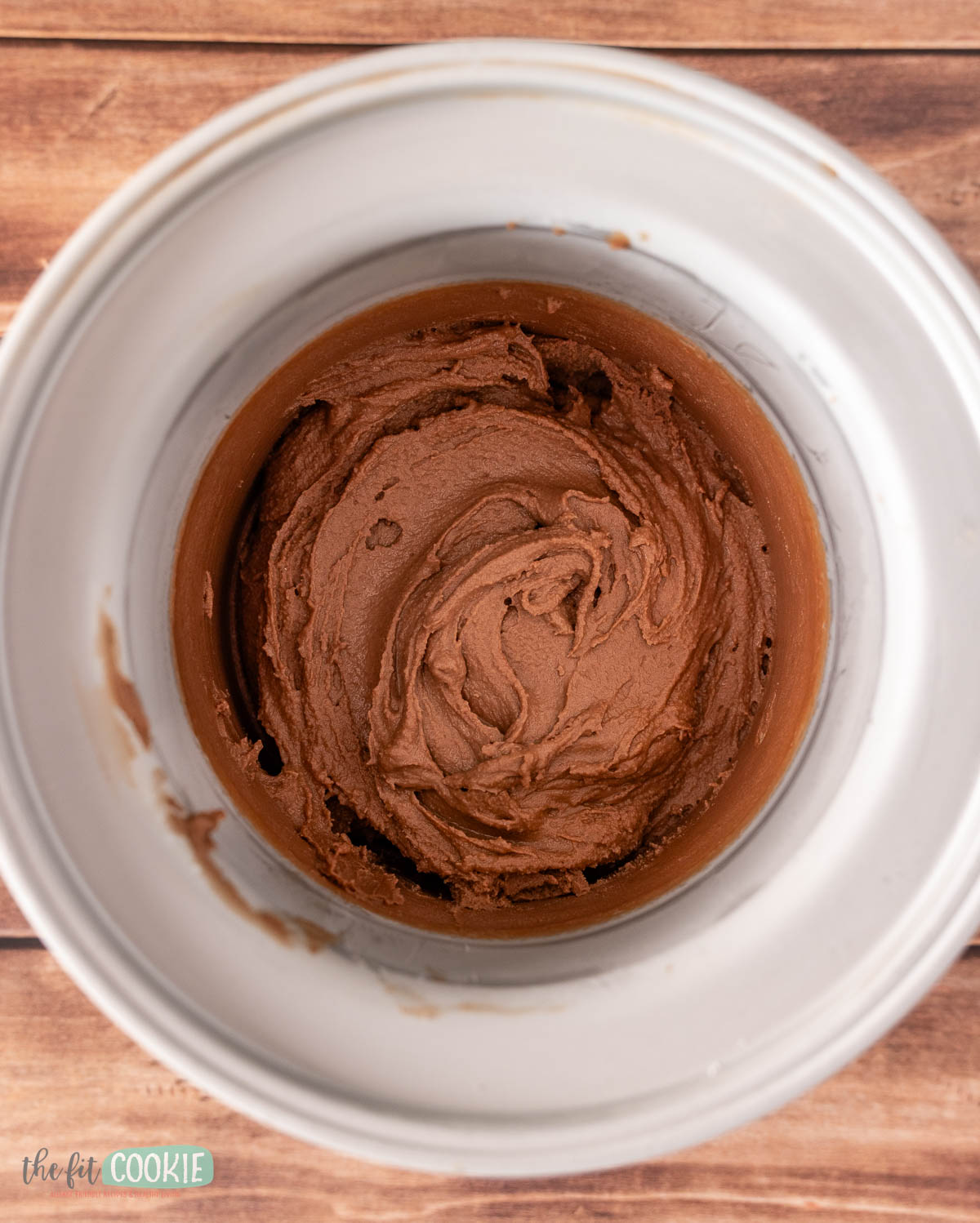
- Store in an airtight container in the fridge for 2-3 weeks.
- When you want to serve it, just allow it to sit at room temp for 10 minutes before scooping to soften a bit, or put it in the microwave for 20-30 seconds to soften it a bit for easier scooping.
Ingredient notes
Sweetener
For this recipe, I used the Lakanto monkfruit with allulose since it tastes pretty good and doesn’t seem to bother my stomach as much as anything with erythritol in it.
But you can use any granulated sweetener you prefer in this recipe. You may need to adjust the amount of sweetener in your ice cream depending on how sweet it is and your preferences.
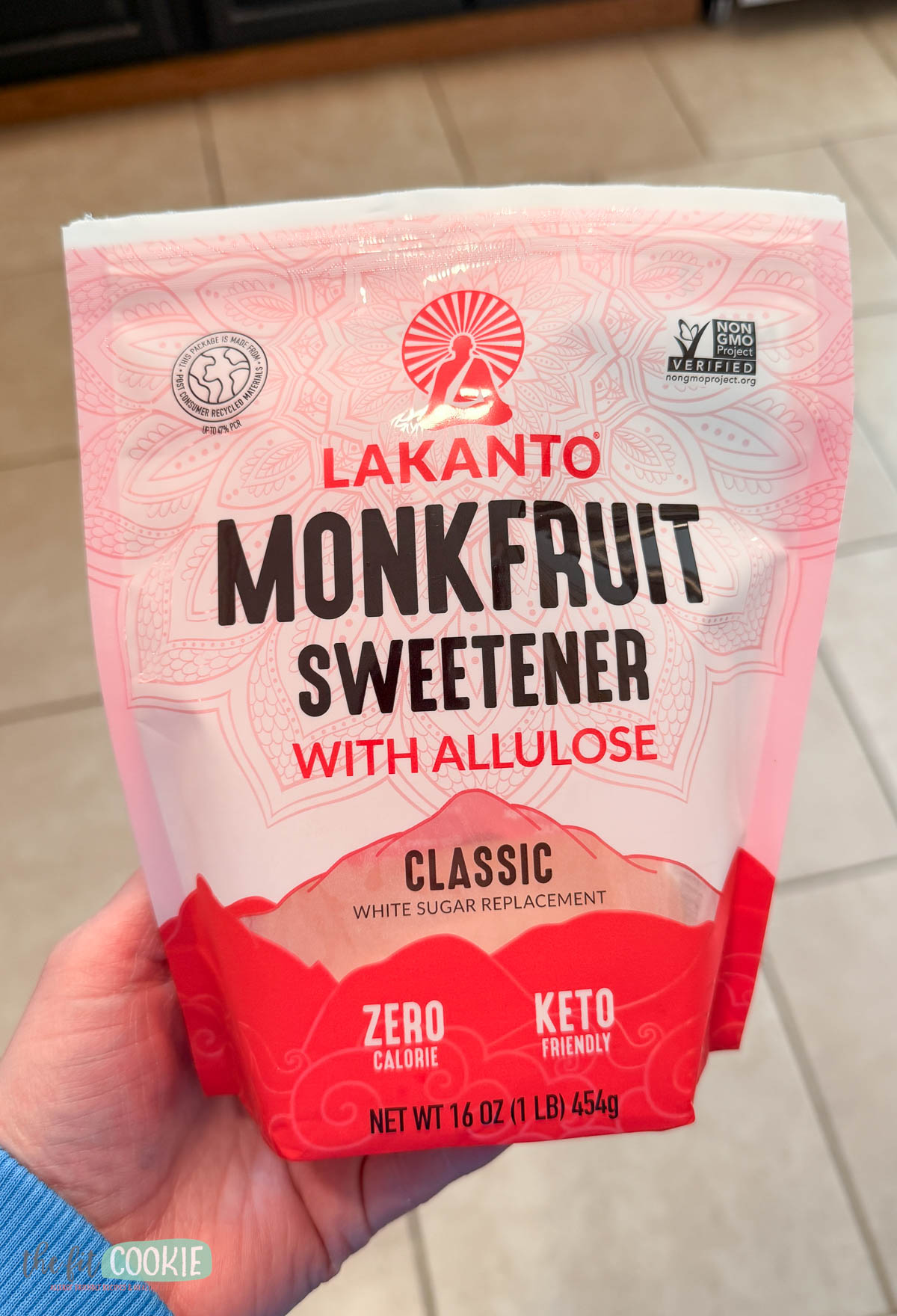
When using a sweetener like allulose or erythritol, your recipe’s final total carbs and net carbs will be different. Since the carbohydrates in allulose aren’t metabolized by the body, the total carbs in this recipe are reduced by the carbs in the allulose to result in the net carbs. We added the net carbs to our recipe card if you track those.
If you just want a lower-sugar treat, you can use a mix of your favorite granulated natural sweetener alongside regular sugar as well.
Dairy free milk
If you are using creamy oat milk in this recipe for part of the dairy free milk, just be aware that unsweetened oat milk has naturally occurring sugars in it from the oats, even if it’s unsweetened. So if you use oat milk, it won’t be completely sugar-free.
We used extra-creamy oat milk in our recipe for testing and photos. It’s delicious and doesn’t contain a ton of sugar, but if you need it to be completely sugar-free, use a creamy or extra creamy unsweetened almond milk instead, or use canned coconut milk for the entire recipe.
Cornstarch
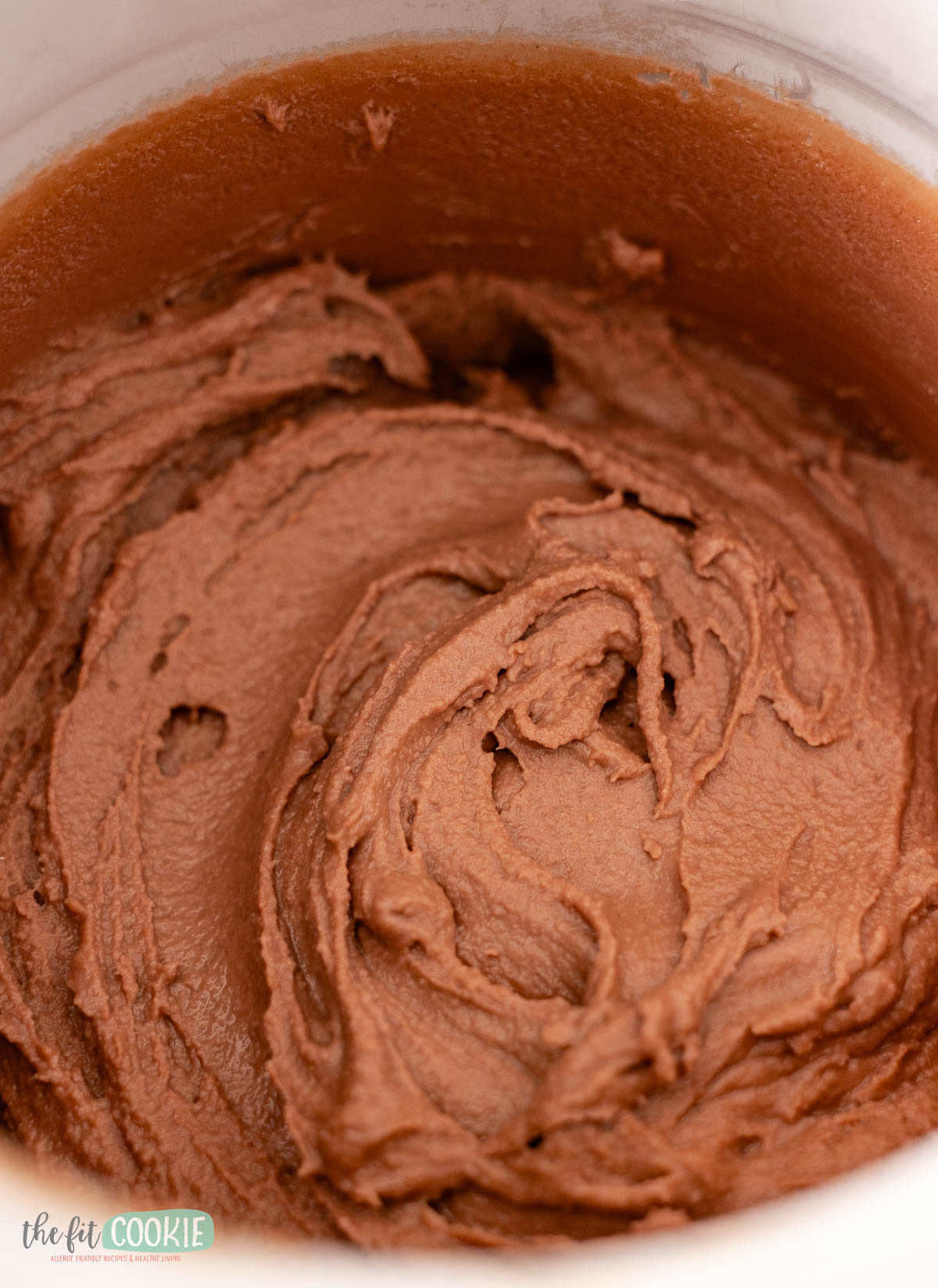
We used cornstarch to thicken this ice cream and add some extra creaminess once it’s frozen, like we did with our recipe for huckleberry ice cream. Some gelato recipes use cornstarch to help add thickness instead of eggs, which is perfect for me since I can’t have a lot of eggs.
This does add a small amount of carbs, so if you need to reduce this further, you can use a little bit of plain gelatin to thicken your ice cream instead of cornstarch.
Check out our other dairy free frozen dessert recipes!
Sugar Free Dairy Free Chocolate Ice Cream
Ingredients
- 1 cup canned coconut milk (I currently use Embe)
- 1 cup creamy unsweetened dairy free milk* (or more coconut milk)
- ⅓ cup + 1 Tablespoon Lakanto monkfruit + allulose sweetener (or your favorite granulated sweetener)
- 3 Tablespoons cocoa powder
- 1 teaspoon vanilla
- 1 Tablespoon corn starch
- ½ teaspoon cake batter extract, optional
Equipment
Instructions
- Add the canned coconut milk, unsweetened dairy free milk, sweetener, cocoa powder, vanilla, and cake batter extract (if using) to a small saucepan and whisk to combine. You can use unsweetened dairy free milk like almond milk or oat milk, or just use more coconut milk. See our note below on1 cup canned coconut milk, 1 cup creamy unsweetened dairy free milk*, 1/3 cup + 1 Tablespoon Lakanto monkfruit + allulose sweetener , 3 Tablespoons cocoa powder, 1/2 teaspoon cake batter extract, optional, 1 teaspoon vanilla
- Cook over medium heat until it begins to simmer.
- Reduce the heat to medium-low and scoop out a little bit of the hot liquid into a small bowl and whisk in the cornstarch until smooth, then whisk this back into the pan.1 Tablespoon corn starch
- Cook for another couple of minutes, whisking regularly, until it begins to thicken a bit.
- Remove from the heat.
- We used an ice bath method for cooling down the chocolate mixture enough to churn it for ice cream. Take a large bowl, fill it with ice and water, then nest a smaller bowl in the middle of the ice water and add the ice cream mix into the inner bowl, making sure no ice water gets into the ice cream mixture.
- Whisk regularly and let it sit in the bowl until it cools down to room temperature or below room temperature so you can churn it in an ice cream maker.
- Churn your ice cream following your ice cream maker’s instructions.
- Once it’s scoopable consistency (about 20-30 minutes of churning), serve it or add it to a container to chill for later.
- Store in an airtight container in the fridge for 2-3 weeks.
- When you want to serve it, just allow it to sit at room temp for 10 minutes before scooping to soften a bit, or put it in the microwave for 20-30 seconds to soften it a bit for easier scooping.
Notes
Nutrition
Pin for later!

Sarah Jane Parker is the founder, recipe creator, and photographer behind The Fit Cookie which she founded in 2011. Sarah is based in Wyoming and has been managing food allergies for herself and her 2 children for over 20 years. Sarah was also a certified personal trainer for 12 years, as well as a group fitness instructor, health coach, running coach, and fitness nutrition specialist.